My Debt to a No-Nonsense Journalism Professor: How a Failing Grade Turned Me into a Sharp-Eyed Editor
My Debt to a No-Nonsense Journalism Professor: How a Failing Grade Turned Me into a Sharp-Eyed Editor
In a morning journalism class back when I was a student at Lehigh University, I was snapped out of a reverie when my professor, a crusty older gent who engendered my utmost respect, slapped down an assignment he had just graded on my desk. Penciled at the top was a large capital F, encircled with a red pencil to make sure I wouldn’t miss it.
As if.
I was good at writing, excelled in my journalism classes, and had always earned As on my assignments. It wasn’t as if I were in French class, where I was surprised to find myself floundering despite five years of high school instruction, or freshman calculus, where I was hopeless and unsurprised about it. This was Journalism 101, my wheelhouse.
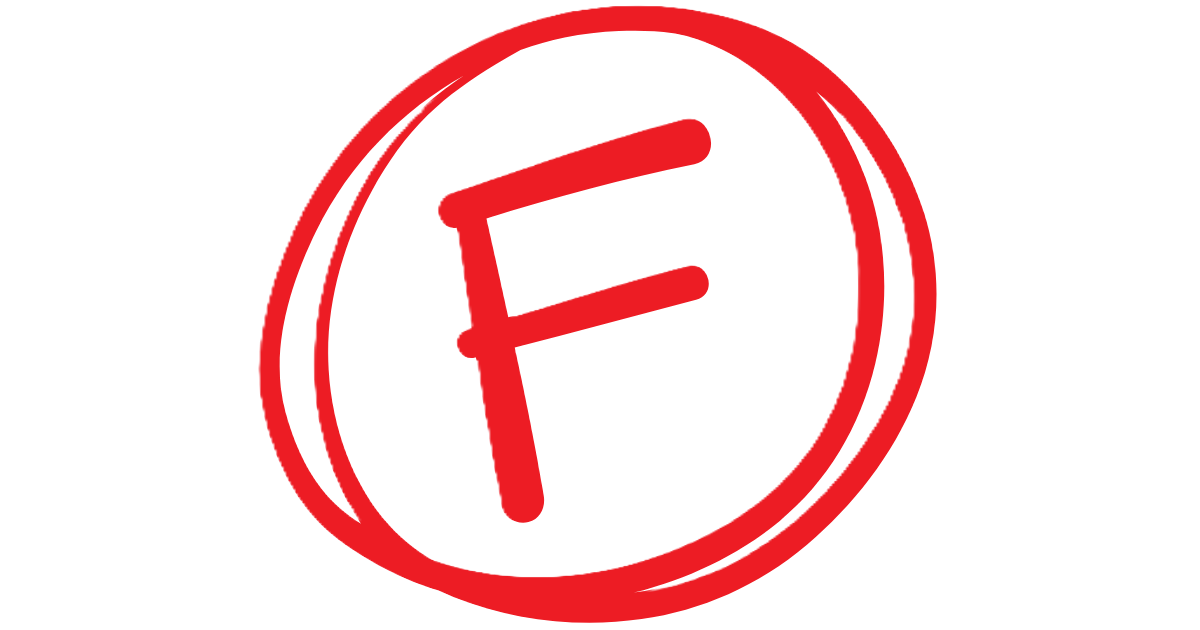
The paper with the big fat F took ownership of my desk while everything else blurred. I wondered for a moment if there had been a mistake and checked to ensure it was my name at the top. Yep, my article. My F.
As I flipped the pages, a profile I had written of some person in the news, I found another circle around a paragraph on page 3. Professor Sullivan had highlighted the second reference of that person in the news’s last name and noted in the margin: “Misspelled. Automatic F.”
I remember it like it happened last week. Partly for the shame of receiving the worst grade of my academic career to that point, but also because it taught me a valuable lesson at age 18: self-editing, ensuring you’ve taken care with every word you put on the page, is vital to being a successful writer.
Beyond Proofreading: What It Takes to Be a Good Editor
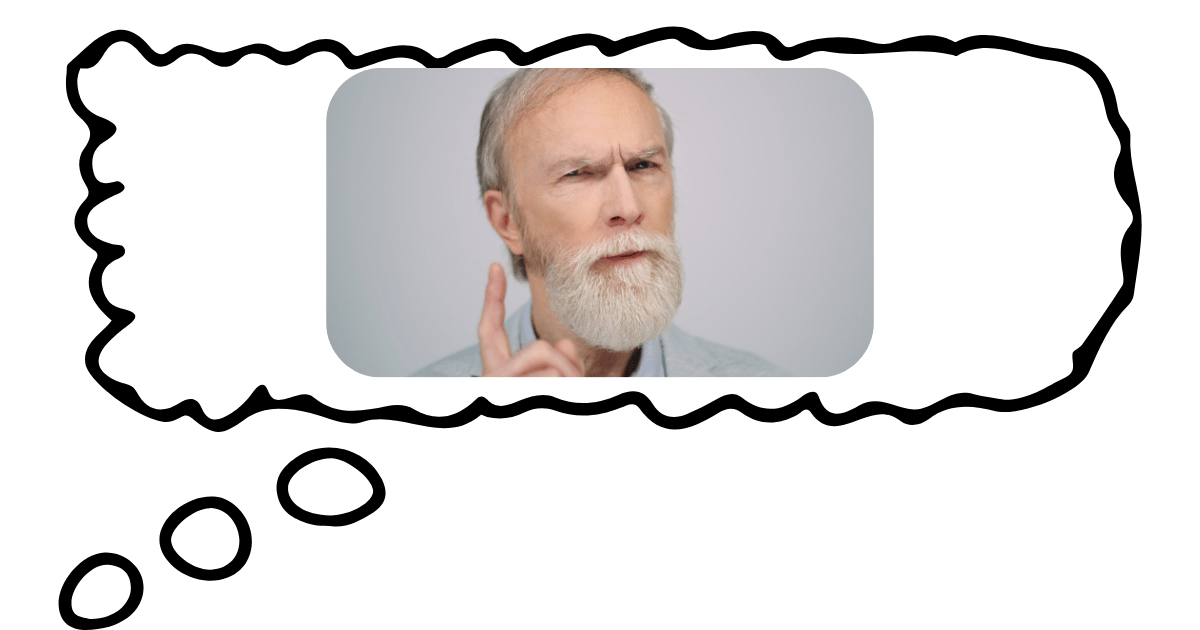
I’ve never misspelled a source’s name since. Or if I have, I’ve caught it on second reading, the specter of Prof. Sullivan floating above me, an old man wagging his finger.
That episode highlights a proofreading error. To be a good, even great editor means catching a lot more than misspellings. In the decades since, in two newspaper reporting jobs and four public affairs roles with increasing levels of responsibility, I’d sometimes think back to that big fat F and renew my determination to ensure my work, and that of my team members, would be error-free. And, beyond that, to tell a great story where you’ve done your best to make every word count.
In my last full-time job, pre-KindWrite Studio, I served as a communications director leading teams of public affairs specialists in the government space. I’d review my team members’ drafts and ask them to cut through the bureaucrat-ese to state it plainly, whether “it” was a grant announcement, a safety violation or a new research initiative. I replaced passive “it was” construction with active verbs. I also ensured they didn’t misspell anyone’s name—or any word whatsoever. (I’d trot out the story of Professor Sullivan and my first F and tell them they would’ve earned an F, too, but in the real world misspells have potentially worse consequences.)
To keep our speeches, press releases, and digital content compelling, I would focus on storytelling, how our work changed people’s lives. I’d ask questions—so many questions—of my writers and our program colleagues to ferret out those stories. Like how one of our grants supported an express bus line through Dallas that meant a young guy could get to his college classes in half the time. The bus line allowed him to hold down a part-time job and pursue his education, setting him on a path to success. That guy had a story, which became our story to tell because we helped him get there.

Developmental Editing: Helping Writers Tell Their Best Stories
Now, at KindWrite Studio, I lean on those storytelling skills. As a developmental editor and coach, my work—and that of my partner, Diana Friedman—goes beyond being a master typo spotter. I tuck into a piece with my full editor’s tool bag, ensuring the story hangs together, the characters’ actions make sense, the dialogue rings true, and the tale takes us somewhere, whether that’s a revelation or a hint at an answer to a question posed earlier.
I encourage clients to stay focused on telling their tale. We talk about scenes, dialogue, backstory, and reflection, and how to create an engaging mix. A good yarn, well told, is what keeps a reader reading. That isn’t always easy, but we’re here to help.
Working With a Writer to Find Deeper Meaning
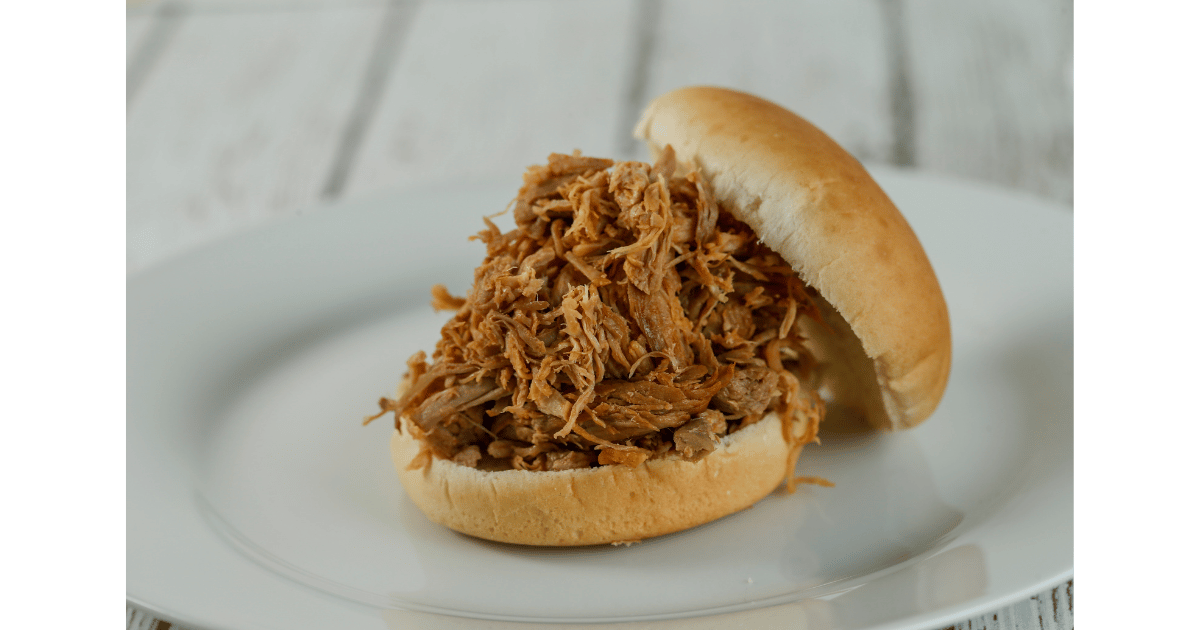
One of my first clients at KindWrite came to us with an essay about eating barbeque for the first time at age 18, which flew in the face of her kosher upbringing. Her story was funny and drew strength from rich settings, from a hot barbeque pit to a football game at a Southern college powerhouse. But I thought it could be more than a cute first-time food story. It seemed eating the verboten pork represented a big moment for her, signifying the beginning of her independence from her parents’ control. I encouraged her to dig for that revelation and to find words to express it, which she did, and it made her quirky tale resonate more deeply. The result? The essay got snapped up almost overnight by an online journal.
I’m the second happiest person in the world when a client’s story is published. It’s a jubilant feeling, and we celebrated together.
Finding the Throughline: Helping a Writer Shape Her Memoir
My background in public affairs and lots of reading helps me see organizational structure. A client came to me with remembrances scattered in journals, notebooks, and her Substack and her long-held dream of writing her memoir. Her experiences were rich and compelling, but she felt disorganized and anxious about how to collect them into a work of which she could be proud. I read several of her essays and spent a productive hour talking with her–most of that time asking questions–until, together, we identified her throughline. Peeling back to the essence, what tied it all together, was akin to detective work. And once we had the theme, we tackled her outline. What seemed immense to her now seems more contained. I lent an outsider’s perspective–and my years of experience as a reader, writer and editor–when she as the writer was too close. Now, as her coach, I’m thrilled to see her chapters, and confidence, flow.
Like any storyteller worth her salt, I’ll wrap up the loose end. I aced my Journalism 101 class despite the bad grade. I embraced the reporting process and joined the student newspaper, then became an editor, which led to my first job at a daily newspaper. I credit the seriousness which which Prof. Sullivan regarded a freshman mistake to my commitment to strong, error-free writing and sharp-eyed editing. I continue to apply that immersive focus in all my work. Thank you, Professor.